Welcome!
|
What an amazing world we live in...to watch an audio slideshow introducing my website, please click here.
|
|
|
|
...(yes, you know the rest)...but it pours. After months of few publications, suddenly it's all happening, so I'm catching up by posting PDFs of three recently published stories on my publications page. They are: – Delve into Thai rice culture – Teak of the town – Thailand's 'Lost Kingdom' (of Wiang Kum Kam) Enjoy!
0 Comments
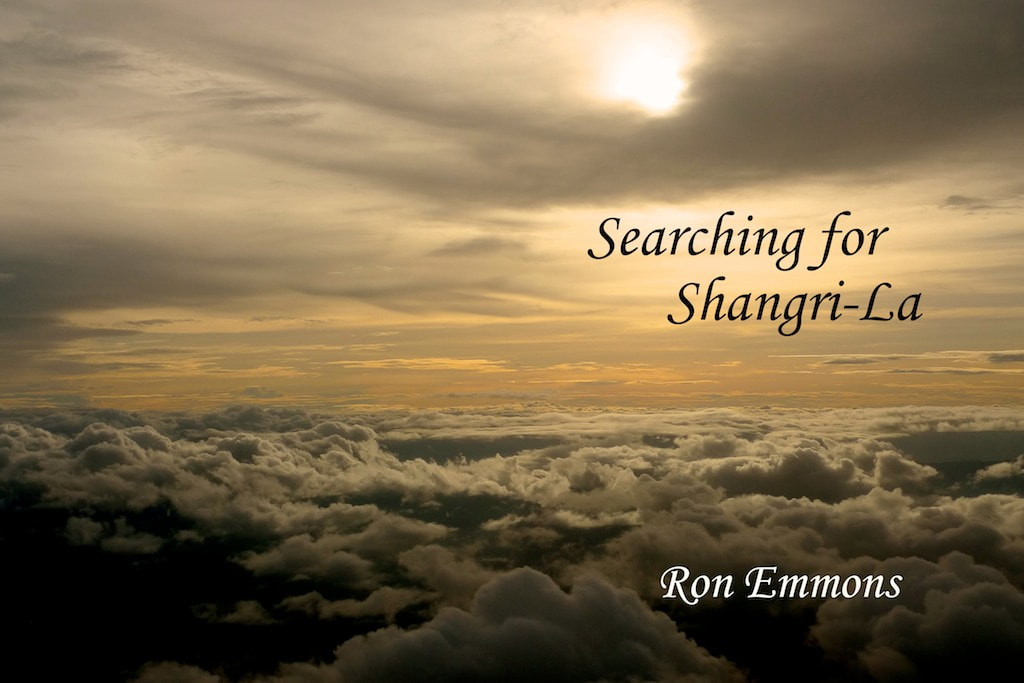 My first self-published book was Searching for Shangri-La, a collection of a dozen travelogues that are more about myself than the locations they describe. Occasionally I have changed the story that features on my website, and now it’s time for another change. Since we’re deep into the smog season in Chiang Mai, when the city frequently ranks as the most polluted on Earth, I thought it would be a good time to share the title story. There’s an audio version too, so to read about or listen to a lifetime of Searching for Shangri-La in just 15 minutes, just go here.
If you’re someone who gets through a lot of books, chances are you a) read printed books, b) read ebooks, or c) listen to audiobooks. Yet these days we can tailor our requirements to suit our routine, by using Whispersync for Voice.  And here is how it's typically used: And now a tempting offer for you to try it out. For FIVE DAYS ONLY, from 1–5 December 2023 (PST), the ebook of TEAK LORD will be completely FREE on Amazon, and once you’ve downloaded that, click on the audiobook version and you should find it at a greatly reduced price. 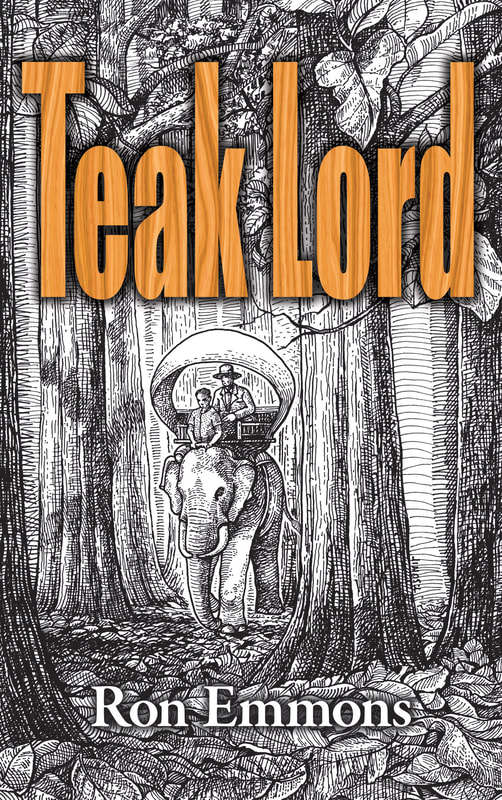 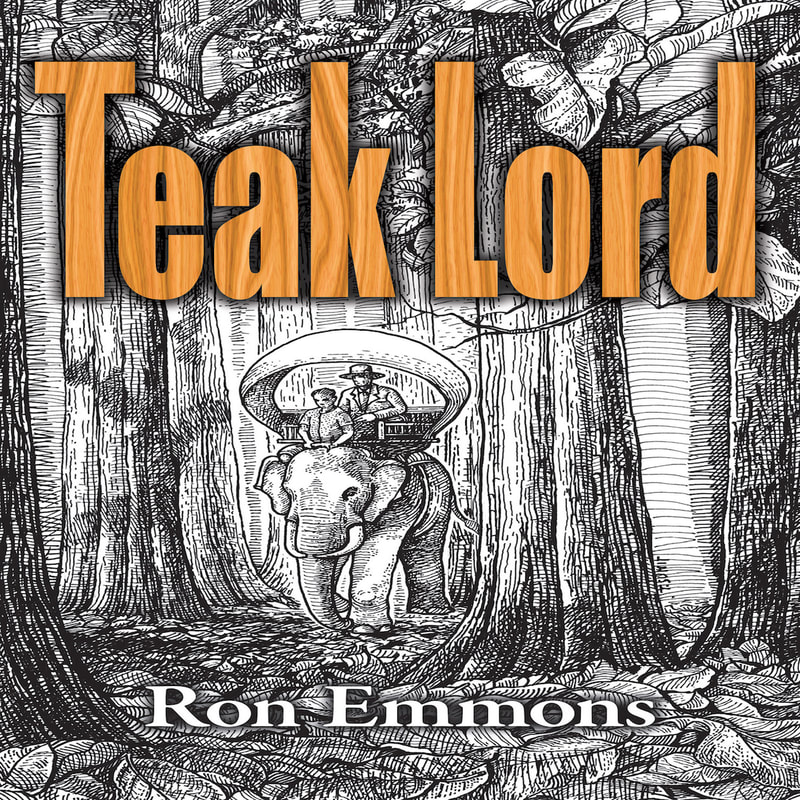 This offer is only for Amazon, but if it seems too complicated and you'd rather just try the audiobook experience for free, email me to request a code to download the audiobook on SPOTIFY, and I'll send a link to nearly 10 hours of exciting adventures in the teak forests of Lanna.  The Covid pandemic from 2020 to 2022 not only wiped out millions of lives but it also brought an abrupt halt to the livelihoods of many people, myself included. Suddenly, during global lockdown, there was no demand for a travel writer, quite simply because nobody was travelling.
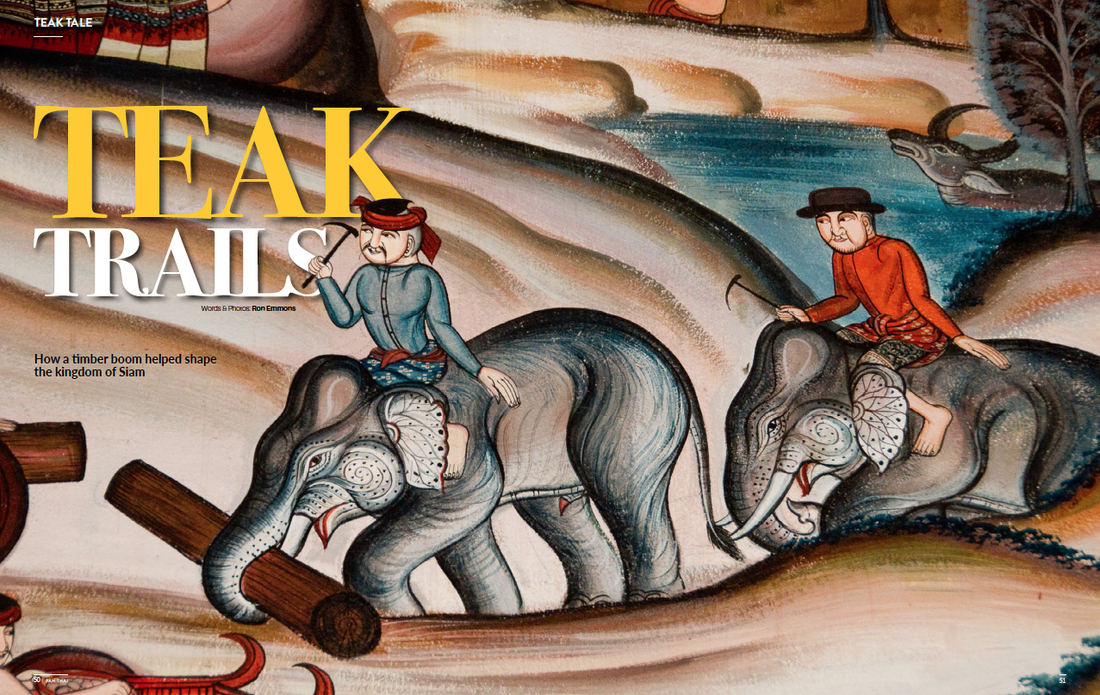
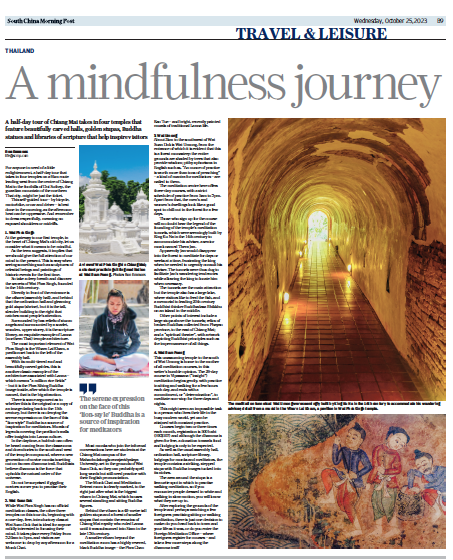
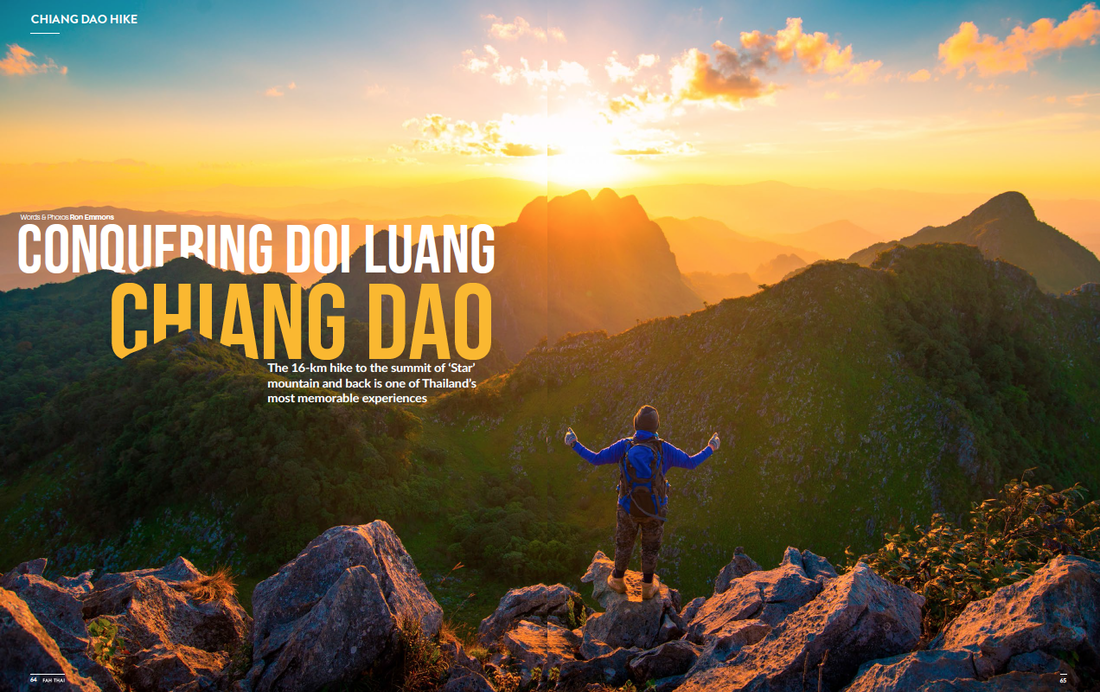
Now, over a year after the worst of the pandemic has passed, I’m finally beginning to pick up the pieces and get my stories published again. There are still lots of holes in my client list that used to be occupied by guidebook publishers, inflight magazines and the like, but a few have survived and I’m going to post some recently published stories on my ‘peridoicals’ page. These are: Teak Trails (Fah Thai magazine, September 2023). An overview of the teak boom that took place around Chiang Mai in the late 19th century and buildings that date back to that era. A Mindfulness Journey (South China Morning Post, October 2023). A tour of four temples in Chiang Mai that offer meditation courses ranging from one to 26 days. Conquering Doi Luang Chiang Dao (Fah Thai magazine, November 2023). An account of a trek to the summit of Doi Luang Chiang Dao, arguably the most enjoyable hike in Thailand. 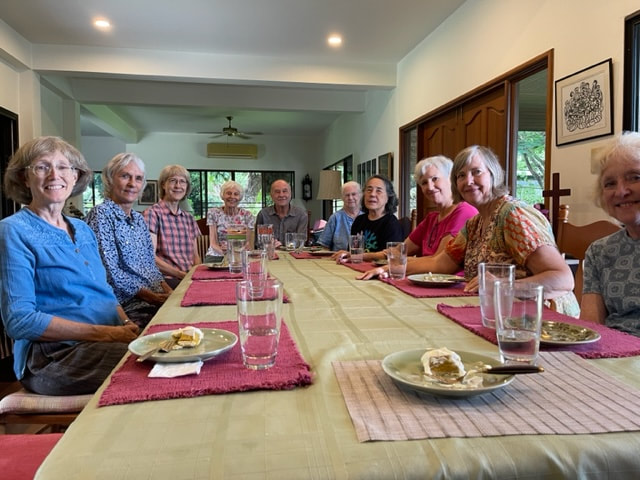 Enjoying a slice of pumpkin pie with the Book Sisters When I was shut up in my studio writing the novel Teak Lord, I often thought "Wouldn't it be nice if, when this book is published, I could get some feedback from people who read it?" I'm not talking online ratings but actually meeting face-to-face to discuss ideas in the book. This wish came true yesterday when I met the members of the Chiang Mai Women's Book Club, which apparently has been going for about 30 years, in which time they have read LOTS of books. Over a tasty lunch of khanom cheen, a local speciality, followed by pumpkin pie, I was privileged to hear their comments and try to answer their questions. Not surprisingly, they were curious to know which parts of the novel were based on fact and which were imaginary, and we also discussed anachronisms (events or people belonging to another time) as I had introduced a few of these for fun, such as naming some monks in the book after famous Thai monks of the 20th century (the novel ends at the close of the 19th century). One question I was unable to answer was whether local ladies wore underwear during the era (there is a scene in the book where such a garment is removed and later discovered in a compromising place). I had to admit I had found no reference to this during my research, and logic would suggest they probably didn't, so I suppose it was just a male fantasy as I described a romantic/sexual scene (chapter 14 for your reference). Fortunately, the Book Sisters didn't beat me up for this weakness and I was able to return home in one piece, replete with pumpkin pie and the pleasure of a stimulating literary conversation. Thanks, sisters! A squashed, square cover for the Teak Lord audiobook Just a year after the release of the digital and print editions of my historical novel TEAK LORD, I’m delighted to announce that it’s now available as an AUDIOBOOK – nearly ten hours of exciting adventures in the teak forests of a remote Asian kingdom, narrated by myself.
To celebrate its launch, I’m offering a limited number of FREE redemption codes to download the audiobook to Spotify. Just message me or email [email protected] and I’ll send back a code. It couldn’t be simpler. Since success is all about ratings, I’d be grateful if you could spare a moment to rate your listening experience too. Thanks!  R.I.P. Sir Bobby Charlton (1937–2023) Having spent much of my life outside my home country, I don’t feel I’m a typical Englishman. Yet there’s one English passion that I share, which is a love of football.
Like other kids worldwide, I spent hours as a boy kicking a ball around in the street and the park with my brothers. I was Bobby Charlton, older brother John was Bobby Moore, and younger brother Steve had to go in goal as Gordon Banks; so we were all stars of England’s 1966 World Cup victory. Many a volley I blasted over the bar in an attempt to replicate my hero’s trademark rocket goals. That’s an overused word – ‘hero’ – but I can’t think of anyone I’ve ever known that I idolised so. I was lucky enough to see Bobby Charlton play a few times for Manchester United, alongside George Best and Dennis Law, the ‘United Trinity’ as they’re dubbed. My best night ever was at Wembley in 1968 to watch United beat Benfica and become the first English team to win the European Cup (now known as the Champions League), Bobby scoring the first and last goals in the 4-1 win. I was hooked, and I’ve been a fan of Manchester United ever since. Maybe Sir Bobby chose a good time to bow out, as Man Utd are currently in the doldrums, floundering mid-table in the English Premier League, with insipid performances, uncaring owners, a famous old stadium that is apparently falling apart, and little sign of change. This really shouldn’t surprise me, as I’m a firm believer in the notion that all things must pass, but there’s something unflinchingly loyal in my support for the ‘Red Devils’ that makes me dream the return of glory days is just around the corner. Where is our new Bobby Charlton? 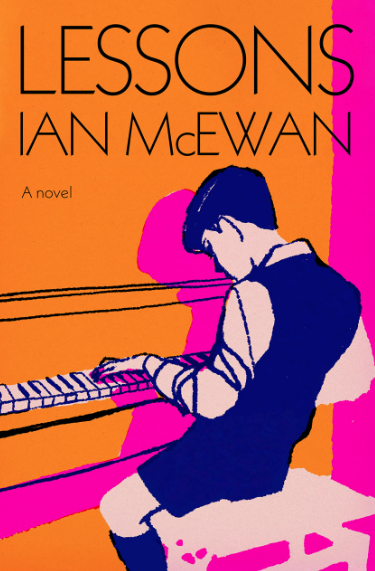 Reflections on Ian McEwan's novel, Lessons Way back in the 1970s, when I was in my 20s, I chanced upon a book that affected me profoundly. Here at last, I thought, is a writer who lives in my world, with all its weirdness and complexity, and can convey it beautifully in prose. The book was First Love, Last Rites, a collection of short stories by a guy called Ian McEwan, and I became an instant fan. Since then, I’ve read most, though not all, of his work – most recently his longest novel of all, Lessons. Lessons is basically a biography of Roland Baines, who has much in common with McEwan – same age, same upbringing, same boarding school education – though presumably McEwan was never tutored at the piano as is Roland, with a complete sex education thrown in. The wonder of Roland, a ‘serial monogamist’, is that he’s not a superhero, just an average guy who muddles his way through life, reacting to situations such as being abandoned by his wife and left with their tiny baby while she goes off to become a famous writer. In a way, Roland is summed up by his part-time professions – tennis coach for the elderly, greeting-card writer and piano player of ‘munch music’ in fancy London hotels; a jack of all trades but master of none. Yet Roland’s a likeable guy, and we tend to root for him as he tries to lose his virginity at the age of 14 before the Cuban missile crisis destroys the world because he doesn’t want to die a virgin. He also smuggles books and records into East Germany before the Wall comes down, avoids using the London Underground after terrorist bombs go off and sits out several lockdowns due to the Covid pandemic. It’s a strange feeling when you’re reading about a fictional character and suddenly think “The author’s writing about me!” So it was as I read about Roland near the end of Lessons: “He was plausible within the digital age, like a man in a cunning disguise, but he remained a citizen of the analogue world.” The epic scale of this novel brings to mind the marvellous Any Human Heart by William Boyd, which follows the life of a writer against a similar backdrop of world events during the 20th century. These references to shared problems of the past help us as readers to sympathize with the protagonist’s inability to steer a comfortable course through his existence. As for the ‘Lessons’ of the title, like the rest of us Roland doesn’t seem to learn from his experiences, whether they be joyful or painful, though he does revisit the most powerful emotional connections from his past, namely the piano tutor and his estranged wife, for poignant end-of-life reunions. On another level, I wonder whether McEwan is hinting that we humans should learn lessons from the tragic world events that chart the course of this book. Towards the end, his concerns are with the unchecked future of Artificial Intelligence and the fact that we are now beyond preventing a 1.5-degree temperature rise that many say will signal the end of our species. I can’t help but think that McEwan wanted to publish this work before it is too late and we are expelled from Planet Earth for not learning our lessons. For anyone unable to attend my recent Teak Talks in Chiang Mai, I have prepared a YouTube presentation of the same content. Just click on the link below and enjoy! 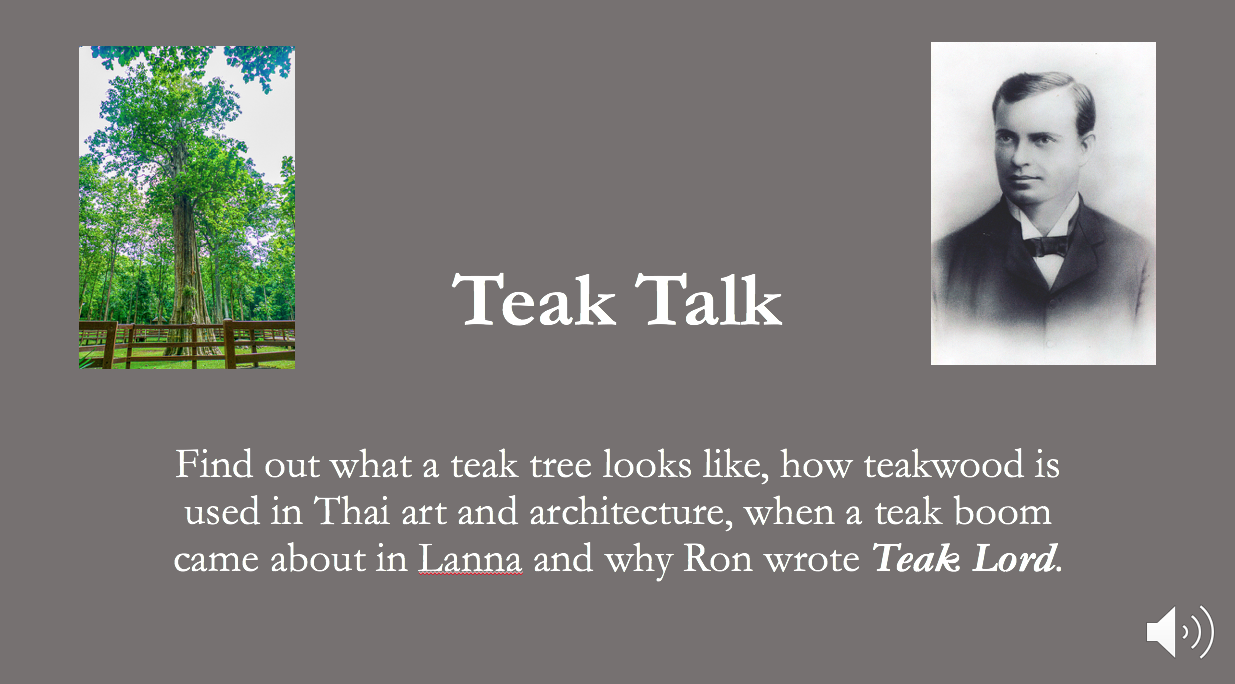 |
Ron's BlogCategories
All
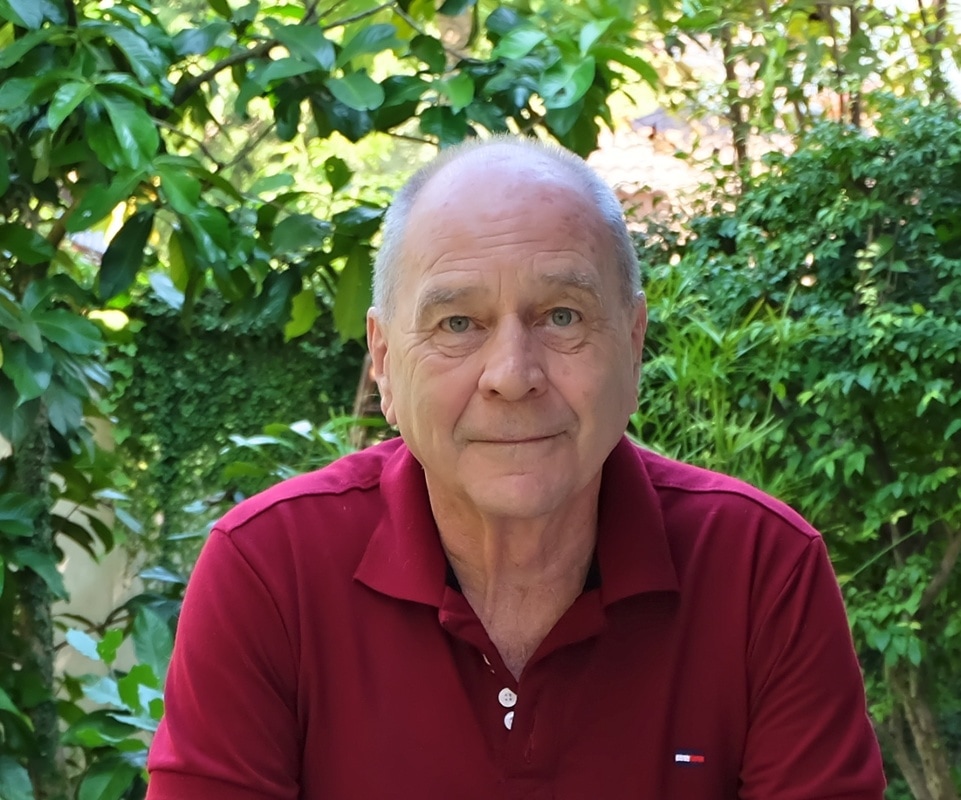
Ron Emmonsis a British writer and photographer based in Chiang Mai, Thailand. Categories
All
Archives
April 2024
|



 RSS Feed